


International Gender & Rural Development Expert | Senior Leadership Mentor
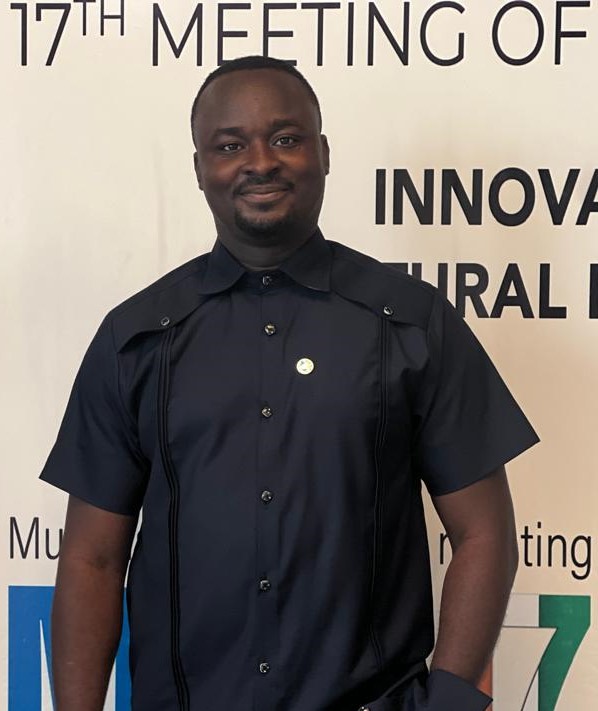
Pious Asante is an accomplished international expert in gender and
development, with a decade
of experience driving impactful initiatives across Africa. His work focuses on gender
equality, women’s
economic empowerment, inclusive rural transformation, and policy analysis in
agriculture, food security,
gender-responsive nutrition, and sustainable rural development.
Pious holds an MSc in Development Management from Kwame Nkrumah University of Science
and Technology (KNUST)
and a Bachelor of Arts in Integrated Development Studies from the University for
Development Studies, Ghana.
He has held key roles with organizations such as the Food and Agriculture Organization
(FAO), where he
provided technical leadership in integrating gender into agrifood systems, climate-smart
agriculture, and
rural development policies. His expertise spans gender-responsive budgeting,
socio-economic analysis, and
building the capacity of stakeholders to implement inclusive policies and programs.
Pious has held significant technical responsibilities within the Food and Agriculture Organization of the United Nations (FAO), where he supports and leads the integration of gender perspectives into agrifood systems, climate-smart agriculture, food security strategies, and rural development frameworks.
His core expertise includes:
Through his work, he has contributed to strengthening national and regional development strategies, ensuring that international programmes are inclusive, data-driven, and aligned with sustainable development priorities.
Pious demonstrates a strong commitment to mentorship and leadership development. As an Administrator and Facilitator for the Mennel Leadership Mentoring Programme, he has played a pivotal role in nurturing future leaders in gender and development. His passion for empowering individuals and communities is reflected in his work on inclusive social protection systems, gender-transformative programming, and promoting equitable access to resources for marginalized groups.
Beyond his formal roles, Pious actively contributes to professional and voluntary initiatives that promote leadership development, gender equity, and community transformation. His voluntary engagement reflects his belief that leadership extends beyond institutional roles—it requires service, integrity, and the intentional uplifting of others.
At the heart of Pious Asante's work is a vision of inclusive rural transformation—where women and youth are not passive beneficiaries but active economic actors and leaders.
He envisions:
Pious views leadership as responsibility anchored in empathy, technical excellence, and measurable impact. He combines rigorous policy expertise with human-centered mentorship—ensuring that development work is both structurally sound and socially transformative.
Through his international development work and his unwavering commitment to mentoring future leaders, Pious Asante continues to shape a future where gender equality drives sustainable economic progress and rural communities thrive. At MPILA, Pious Asante represents policy excellence, inclusive leadership, and transformational mentorship—building systems that empower today and leaders who will sustain tomorrow.
Pious continues to champion gender equality and sustainable development, contributing to building resilient, inclusive livelihoods and advancing human rights in agrifood systems and beyond.